Current Service Information
Review available plans, asset-owner requirements and on-site markings before excavation starts.

GSD WA uses controlled water and vacuum recovery to expose underground services, pothole and trench with less reliance on mechanical digging around buried assets. We mobilise from Karratha for mining, oil and gas, civil and government projects across the Pilbara and northern Western Australia.
Hydro excavation combines water with vacuum extraction. The water loosens soil around the target area, then the vacuum unit recovers the resulting slurry and spoil into its debris tank. This gives the operator greater control over where material is removed.
GSD uses the method for underground service locating, potholing and trenching around water, power, gas and communications infrastructure. It suits work where mechanical excavation could expose buried assets to unnecessary contact or disturb more ground than the scope requires.

GSD can configure the service for targeted excavation tasks in active industrial and infrastructure environments.
Expose water, power, gas and communications infrastructure before nearby work begins
Create controlled test holes to confirm the position and depth of buried assets
Remove soil along a defined alignment where existing infrastructure restricts mechanical excavation
Support maintenance, upgrades and construction around operating assets and constrained areas
The method helps crews control excavation around known or suspected underground services.
Targeted soil removal helps reduce contact with buried pipes and cables
Operators can uncover a defined area without bulk mechanical excavation.
Water and vacuum recovery limit material removal to the required work area.
Each scope starts with site information and ends with the agreed spoil and handover records.
Confirm the work area, available underground service information, asset-owner instructions, access, ground conditions and required outcome.
Mobilise the selected unit, complete site checks and establish permits, exclusion zones and environmental controls.
Use controlled water to loosen soil, then vacuum the slurry and spoil into the unit's debris tank.
Contain or transport recovered material through the agreed pathway, protect exposed assets and complete the project handover.
GSD pairs water delivery and vacuum recovery equipment to the site, ground conditions, access and spoil requirements. Exact specifications are confirmed during scoping.
Include the following information with your enquiry so GSD can assess the equipment, mobilisation, controls and spoil pathway.
Site and access details
Project location, work window, access route, terrain, site inductions, traffic controls and space available for the unit.
Underground service information
Current BYDA or asset-owner plans, locator markings, service type, known depth and any conditions placed on excavation.
Number and size of potholes, trench dimensions, ground conditions, expected material, containment and disposal requirements.

Controls must match the site, underground assets, excavation method and recovered material.
Review available plans, asset-owner requirements and on-site markings before excavation starts.
Match operators, licences, permits and verification of competency to the site and task.
Set exclusion zones, protect exposed assets and manage access while work proceeds.
Contain recovered material and use the approved transport, tracking and disposal process where required.
GSD scopes non-destructive digging for researched B2B projects across the following operating environments.
Service proving, potholing and controlled excavation around mine-site infrastructure and maintenance work.
Targeted exposure around underground services at onshore facilities and project sites.
Potholing and trenching before new works, upgrades and asset maintenance.
Controlled excavation around public infrastructure, facilities and essential services.
GSD mobilises from its Karratha operations hub to planned project sites across the Pilbara and northern Western Australia. Confirm access, timing and equipment requirements during scoping for remote work.

Pair hydro excavation with specialist vacuum, water-blasting and drainage services where the project scope requires them.
Find out more about GSD’s capabilities, service area, project mobilisation and hazardous waste management across Karratha and the Pilbara.
Hydro excavation uses controlled water to loosen soil and a vacuum system to remove the resulting slurry and spoil. It gives the operator a targeted way to expose or excavate around underground infrastructure.
The terms overlap. Hydro excavation describes the water-and-vacuum method. Vacuum excavation describes the removal method and may include hydro or dry suction systems. Non-destructive digging describes the broader approach to exposing ground around buried assets with less reliance on mechanical excavation. GSD uses water and vacuum together for this service.
Hydro excavation can reduce contact risk and ground disturbance around buried services, but it does not remove excavation hazards. Current service information, site-specific risk controls, asset-owner requirements, trained operators and protection of exposed assets still matter.
GSD's source documents identify water, power, gas and communications infrastructure. Available plans, asset-owner requirements and site conditions must be reviewed for each job.
Potholing creates a targeted test hole to establish the position and depth of an underground asset before other excavation or construction proceeds. BYDA identifies hydro vacuum extraction as one potholing method where the asset owner's information permits it.
Suitability depends on the ground conditions and the material to be removed. Provide available ground information and site photos so GSD can confirm the approach during scoping. Hard rock or other resistant material may require a different excavation method.
Provide current service plans or markings, asset-owner instructions, the proposed work area, access details, known ground conditions and relevant permits or site controls. BYDA plans indicate the possible presence of underground assets but do not pinpoint every service.
Vacuum recovery stores the loosened soil and slurry in the unit's debris tank. The material may be contained on site, reused where approved or transported through an agreed waste pathway. Classification and WA controlled-waste requirements apply where relevant.
The timeframe depends on the number, size and depth of potholes or trenches, ground conditions, access, permits, service verification and spoil handling. GSD confirms the likely program after reviewing the scope and site information.
Pricing depends on the site location, mobilisation, access, ground conditions, service information, excavation size, work window and spoil pathway. For a project-specific quote, provide the work location and timing, pothole or trench dimensions, available plans or markings, access and induction requirements, and the proposed spoil pathway.
GSD mobilises from Karratha for project work across Karratha, Roebourne, Dampier, Onslow, Port Hedland, Tom Price, Newman, Broome and Derby, subject to scope, access and equipment availability.
Yes. GSD supports mining, oil and gas, civil construction, councils and government. The team confirms site access, operator requirements, equipment and controls during scoping.
Pair hydro excavation with specialist vacuum, water-blasting and drainage services where the project scope requires them.

Wet and dry material recovery using heavy industrial vacuum equipment

High and ultra-high pressure cleaning for industrial equipment and infrastructure
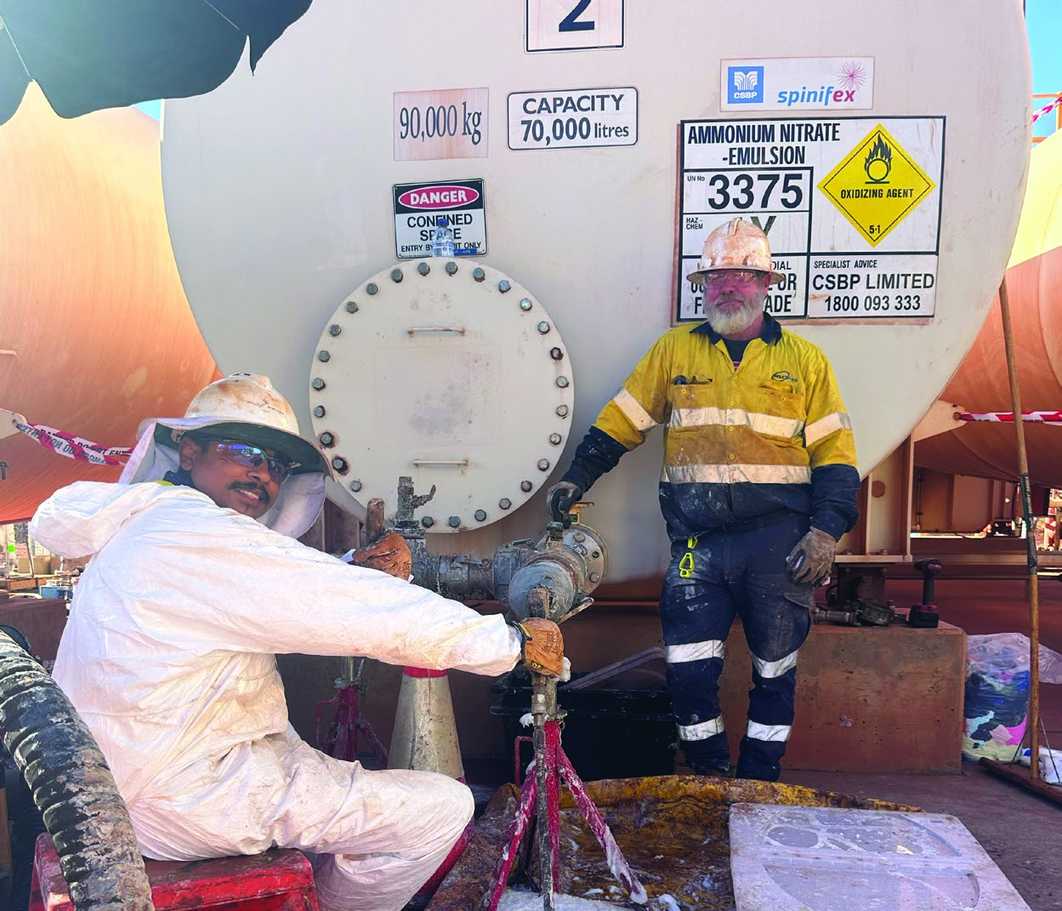
Combination-unit drain, sewer and pit cleaning for industrial sites.
Tell us about your project. Provide details about the service, site requirements, urgency and scope of work. You can also attach photos, plans or supporting documents where useful.